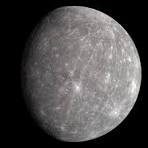
Mercury is the smallest planet and sits closest to the Sun. It zips through a full orbit in just 88 Earth days, the fastest in the solar system. Despite its heat, its cratered surface contains water ice in permanently shadowed regions at its poles.
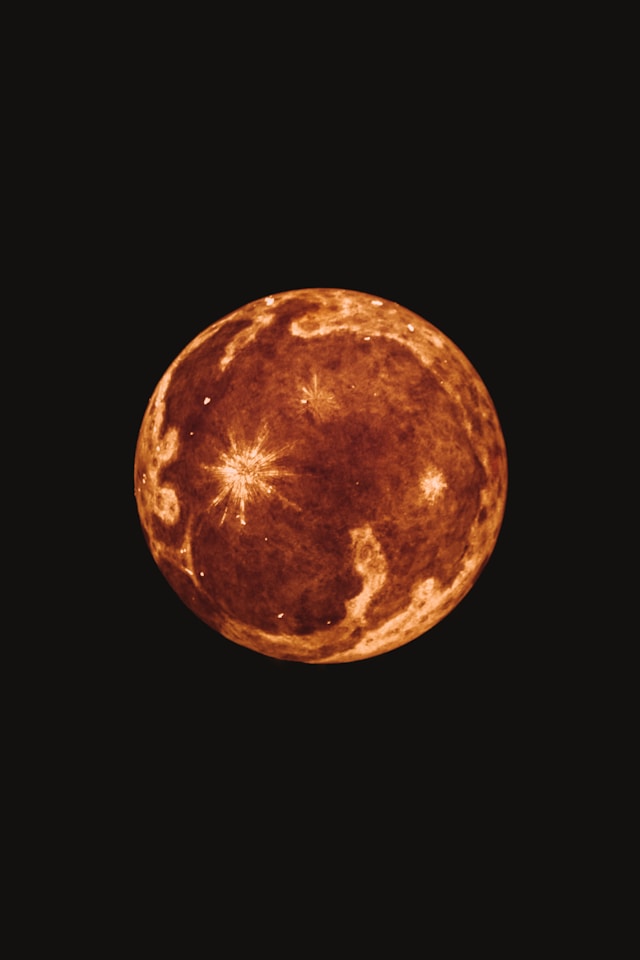
Venus, the second planet from the Sun, is Earth’s scorching twin. Despite its similar size, its thick atmosphere traps intense heat, making it the hottest planet in our solar system. Enveloped in toxic sulfuric acid clouds, its surface is a volcanic wasteland where pressures are strong enough to crush a submarine.
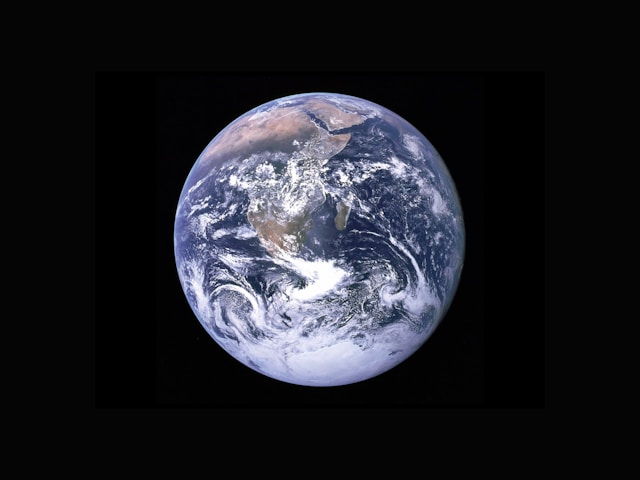
Earth is the third planet from the Sun and the only world known to harbor life. Its vast oceans and nitrogen-oxygen atmosphere provide the perfect conditions for a diverse biosphere. From its protective magnetic field to its shifting tectonic plates, Earth remains a dynamic, vibrant sanctuary in the vast cosmos.
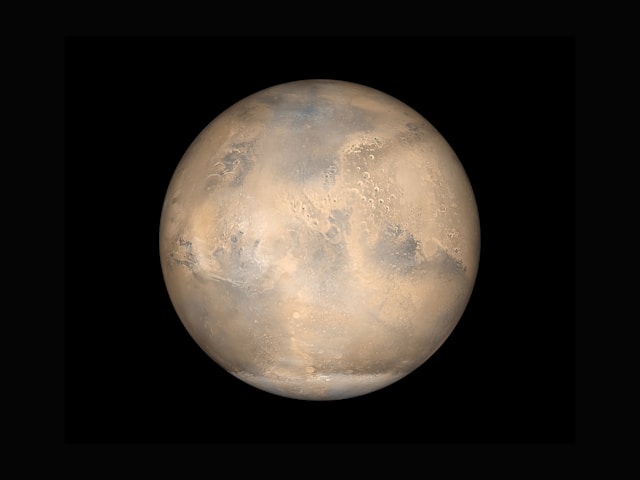
Mars, the "Red Planet," is a cold, desert world with a thin atmosphere. Home to the solar system's largest volcano and deepest canyon, it shows clear evidence of ancient water. Scientists today explore its dusty surface with rovers, searching for signs of past life and preparing for future human arrival.
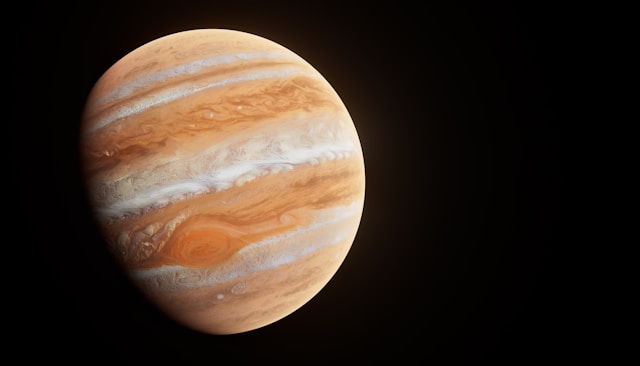
Jupiter is the solar system's largest planet, a massive gas giant primarily composed of hydrogen and helium. Known for its iconic Great Red Spot, a centuries-old storm, Jupiter possesses dozens of moons and a faint ring system. Its powerful magnetic field and immense gravity profoundly influence the entire planetary neighborhood.
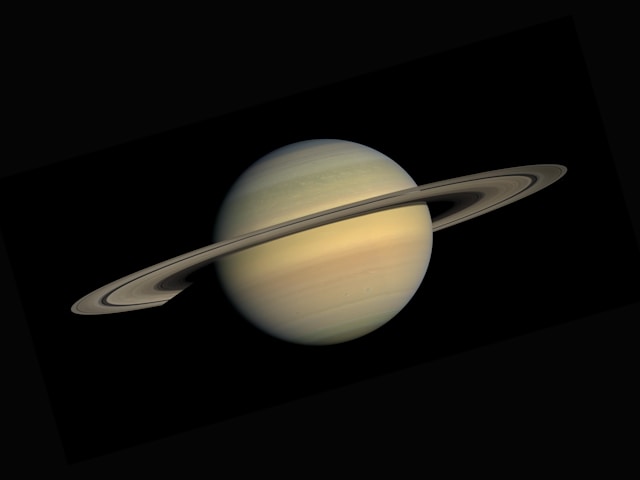
Saturn is the solar system's second-largest planet, famous for its spectacular and complex ring system made of ice and rock. This golden gas giant is mostly hydrogen and helium. With dozens of moons, including the massive, atmosphere-heavy Titan, Saturn remains a breathtaking marvel of celestial mechanics and icy beauty.
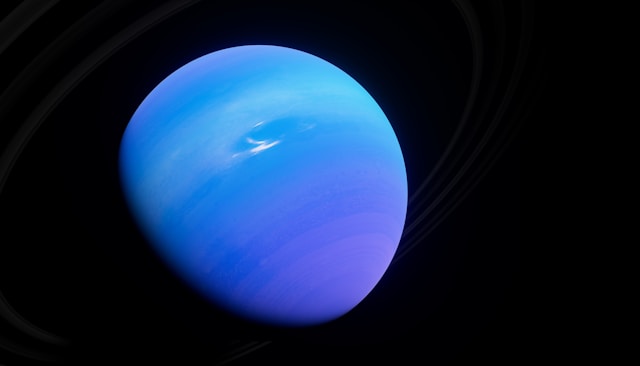
Uranus is the seventh planet from the Sun and the third-largest in our solar system. Often called the "Tilted Giant," it is unique for its extreme axial tilt of 98 degrees, making it appear to spin sideways like a rolling ball. This ice giant gets its signature blue-green color from methane in its cold atmosphere.
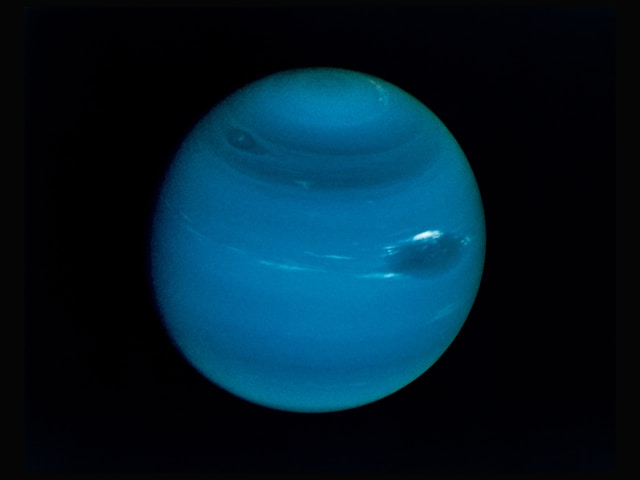
Neptune is the eighth and most distant planet from the Sun. This dark, cold ice giant is whipped by supersonic winds, the fastest in the solar system. Its striking blue color comes from methane in its atmosphere. It was the first planet located through mathematical calculations rather than direct observation.